
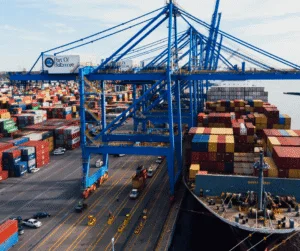
Marine environments are among the harshest conditions for any material. Constant exposure to saltwater, moisture, UV radiation, and changing temperatures can quickly damage metal surfaces. This is why marine coating systems play a vital role in protecting ships, offshore platforms, docks, and marine equipment.
A high-quality marine coating creates a protective barrier that helps prevent corrosion, reduces maintenance costs, and extends the lifespan of valuable assets. At YIMATE Powder Coatings, understanding the importance of advanced protective solutions is key to helping industries achieve long-lasting performance in demanding environments.
In this guide, we will explore what marine coatings are, how they work, their benefits, and how to choose the right solution for different marine applications.
What Is Marine Coating?
A marine coating is a specialized protective layer applied to surfaces exposed to marine environments. These coatings are designed to withstand continuous contact with seawater, humidity, sunlight, chemicals, and physical wear.
Unlike standard industrial coatings, marine coatings must provide exceptional resistance to corrosion and environmental degradation. They help preserve the structural integrity and appearance of marine assets over extended periods.
Common applications include:
Why Marine Environments Cause Severe Damage
Marine conditions accelerate the deterioration of exposed materials.
Saltwater Corrosion
Saltwater contains chlorides that attack metal surfaces and speed up corrosion. Even small scratches can become starting points for rust formation.
Constant Moisture Exposure
Marine structures rarely have a chance to dry completely. Continuous moisture creates ideal conditions for corrosion.
UV Radiation
Sunlight can degrade coating films over time, causing fading, cracking, and reduced protection.
Mechanical Wear
Ships and marine equipment experience impact, abrasion, and friction during operation.
Chemical Exposure
Fuel, oils, cleaning agents, and industrial chemicals can further damage unprotected surfaces.
Without a suitable marine coating, maintenance costs can increase significantly while equipment lifespan decreases.
Key Benefits of Marine Coating
Superior Corrosion Protection
The primary purpose of marine coatings is to prevent corrosion. By creating a barrier between metal and the environment, coatings help reduce rust formation and structural damage.
Extended Asset Lifespan
Protective coatings can add years to the service life of marine equipment and infrastructure.
Reduced Maintenance Costs
Frequent repairs and repainting can be expensive. Quality coating systems minimize maintenance requirements and downtime.
Improved Appearance
Marine coatings maintain color, gloss, and surface quality even under harsh environmental conditions.
Enhanced Operational Efficiency
Smooth coating surfaces can reduce drag on vessels, improving fuel efficiency and overall performance.
Better Safety
Structural deterioration can create safety risks. Effective coating systems help maintain the integrity of critical components.
Types of Marine Coating Systems
Different marine applications require different coating technologies.
Epoxy Marine Coatings
Epoxy coatings offer excellent adhesion and corrosion resistance.
Benefits include:
These coatings are commonly used for ship hulls, ballast tanks, and offshore structures.
Polyurethane Coatings
Polyurethane coatings provide excellent weather resistance and color retention.
Advantages include:
They are often applied as topcoats over epoxy primers.
Zinc-Rich Coatings
Zinc-rich coatings provide sacrificial protection to steel surfaces.
Features include:
Acrylic Marine Coatings
Acrylic coatings are known for:
They are often used in less demanding marine applications.
Specialized Anti-Fouling Coatings
These coatings prevent the growth of marine organisms such as:
Anti-fouling systems help maintain vessel efficiency and reduce fuel consumption.
Where Marine Coatings Are Used
Commercial Shipping
Cargo ships and tankers rely on coating systems to protect hulls and cargo areas from corrosion.
Offshore Oil and Gas Platforms
Offshore structures face constant exposure to seawater and extreme weather conditions.
Ports and Harbors
Marine coatings protect:
Marine Equipment
Equipment such as pumps, valves, and pipelines requires durable protective coatings to ensure reliable operation.
Naval Vessels
Military ships require advanced coating technologies that deliver long-term protection and reduced maintenance.
How Marine Coating Systems Work
Modern coating systems often use multiple layers to provide comprehensive protection.
Primer Layer
The primer adheres directly to the substrate and provides the first line of corrosion protection.
Intermediate Layer
This layer builds coating thickness and enhances barrier performance.
Topcoat Layer
The topcoat provides:
Together, these layers create a complete protective system capable of performing in challenging marine conditions.
Factors to Consider When Choosing a Marine Coating
Selecting the right coating requires careful evaluation of environmental and operational conditions.
Surface Material
Different substrates require different coating formulations.
Examples include:
Exposure Conditions
Consider:
Maintenance Requirements
Some coating systems are designed for minimal maintenance over extended service periods.
Regulatory Compliance
Marine industries often require coatings that meet environmental and performance standards.
Expected Service Life
Long-term projects may justify investing in premium coating systems with higher durability.
Best Practices for Marine Coating Application
Even the best coating cannot perform effectively if applied incorrectly.
Proper Surface Preparation
Surface preparation is one of the most important steps.
Methods may include:
Environmental Control
Temperature and humidity should be monitored during application.
Correct Film Thickness
Applying the correct coating thickness ensures optimal protection.
Quality Inspection
Regular inspections help verify:
Scheduled Maintenance
Periodic inspections can identify minor issues before they become major problems.
Emerging Trends in Marine Coating Technology
The marine industry continues to adopt more advanced coating solutions.
Eco-Friendly Formulations
Manufacturers are developing coatings with lower environmental impact and reduced emissions.
Smart Coatings
Innovative technologies can provide enhanced monitoring and protection capabilities.
Improved Durability
Research focuses on extending service life while reducing maintenance needs.
Enhanced Energy Efficiency
Advanced coating surfaces can reduce drag and improve vessel performance.
Companies such as YIMATE Powder Coatings continue to follow industry advancements to support customers seeking reliable and durable protective solutions.
Common Mistakes to Avoid
When using marine coatings, avoid these common errors:
Avoiding these mistakes helps maximize coating performance and return on investment.
Why Quality Matters in Marine Coating Selection
Not all coating systems deliver the same level of protection. Low-quality products may fail prematurely, leading to costly repairs and operational disruptions.
A reliable marine coating should provide:
Investing in quality solutions often results in lower lifecycle costs and greater asset reliability.
Conclusion
A high-performance marine coating is essential for protecting ships, offshore structures, ports, and marine equipment from corrosion and environmental damage. With proper selection, application, and maintenance, these coating systems can significantly extend asset lifespan while reducing operating costs.
As marine industries continue to demand stronger and more sustainable protective solutions, advanced technologies are becoming increasingly important. YIMATE Powder Coatings recognizes the value of durable, high-quality coating systems that help businesses safeguard their investments and improve long-term performance.
If you are exploring protective coating solutions for challenging environments, YIMATE Powder Coatings offers expertise and innovation to help support your project goals with confidence.